
Pile Foundations Explained: Uses, Benefits, and Choosing a Contractor
Pile foundations have many benefits and uses for new houses and other construction projects. Hire only experts for the best assessment and durable results.
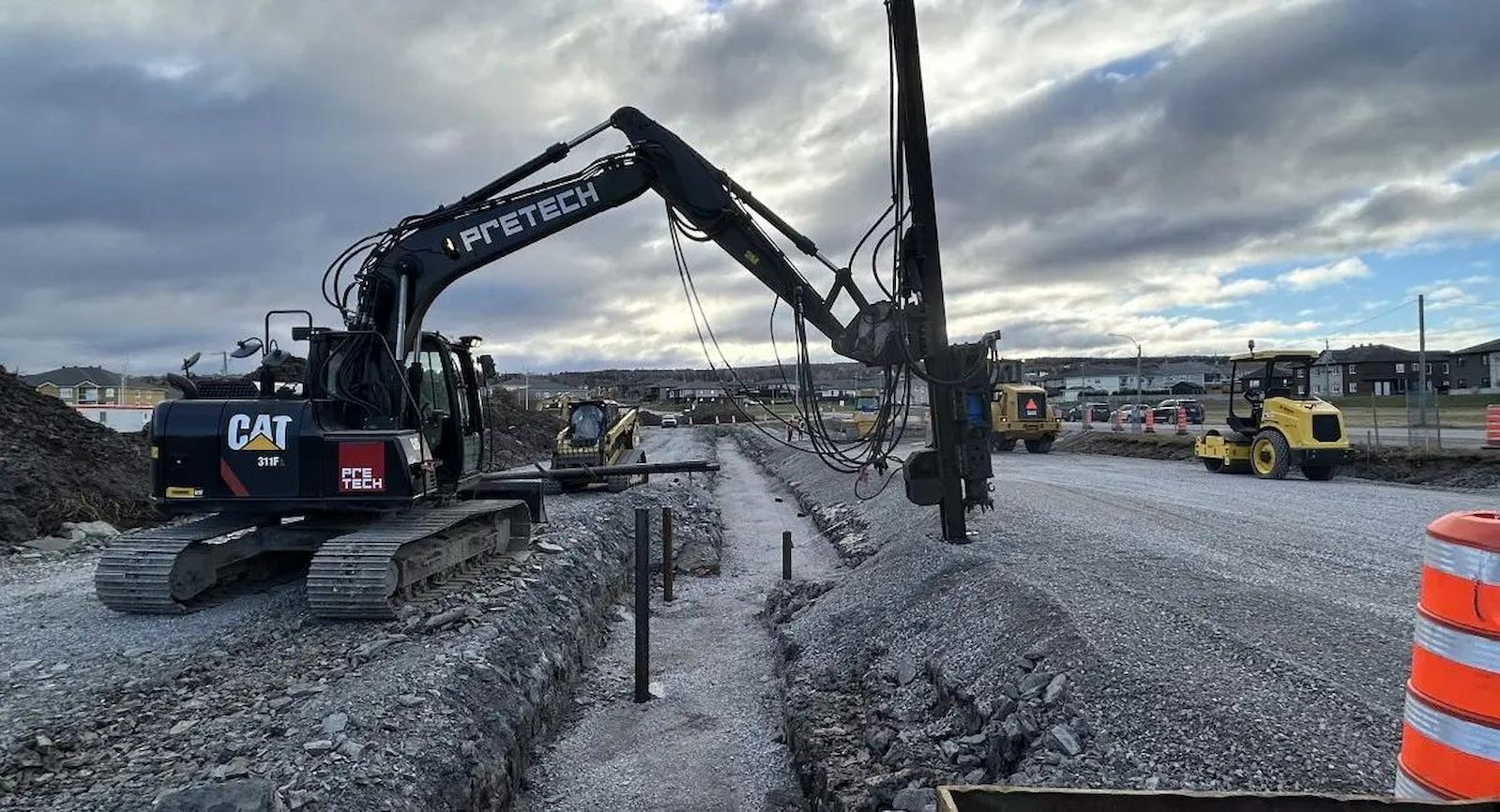
Pile foundation is a technique of deep foundations that allow for long term stability of a building. It can be used with different types of structures: commercial, industrial and residential. As every project is unique, there are different types of piles in construction that will correspond to different types of soil, construction needs and other factors. In each case, choosing the right piling contractor is a key part of the process. Here’s everything you need to know about pile foundations.
When should a pile foundation be used?
To better assess when foundation piles are required, it’s important to understand how this type of deep foundation works. With traditional foundations, the building rests on the ground beneath it, which works well when the soil is solid. When it’s not the case, pile foundations become essential. Basically, building pile foundations involves driving or drilling long piles into the ground until they reach stable soil or bedrock. This allows the building to rest on solid soil, avoiding the risks of sinking.
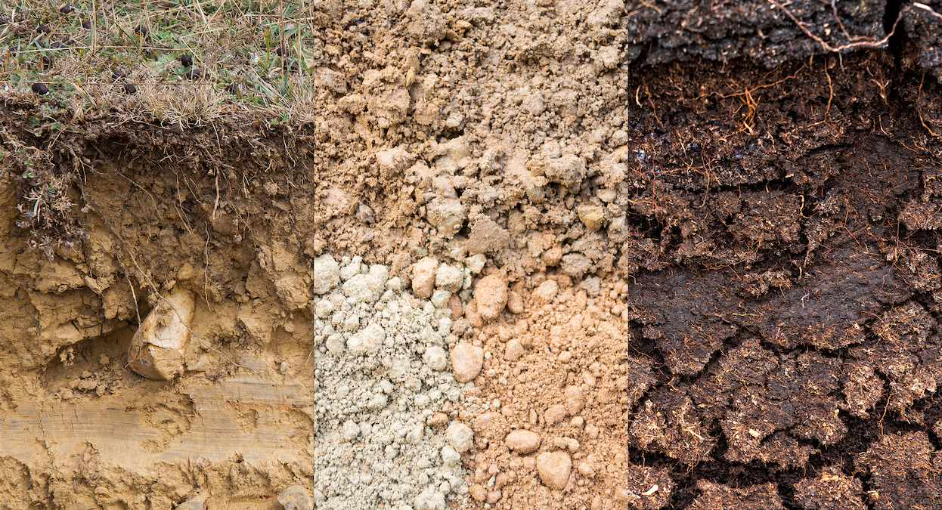
Generally, pile foundations should be used whenever the soil isn’t strong enough or stable enough to support the weight of the building. More precisely, this can mean when:
- The soil is unstable: Unstable soil often contains clay, silt or peat. These types of soil tend to absorb water and then crack when the water evaporates, causing movement of the foundation and the structure.
- The soil has a low-bearing capacity: An example is soil containing a lot of organic matter. This type of soil can become unevenly compacted, which can cause the foundation to sink.
- There is soil erosion or liquefaction: This happens mostly in areas near bodies of water. When there’s erosion, part of the soil disappears, exposing parts of the foundations and making them less stable. Waterlogged soil may require piling, as water can put extra pressure on the foundations and push the soil to move.
- The water table is high: Piles go past the water table, eliminating risks linked to erosion or liquefaction. A high water table can push directly against the foundation and cause it to fail over time.
- There are earthquake risks: Seism activity isn’t common in Quebec but can still happen. On soil that is already slightly unstable, having a small earthquake could damage a house. Pile foundations allow for more flexibility on the structure and less pressure in case of seismic activity, so there’s less risk of significant damage.
Other instances when pile foundations are needed are for high-rise buildings and heavy structures, like bridges and wind turbines. Ideally, piles are installed before starting new construction. However, there are techniques to add piles afterwards, such as hydraulic piles to straighten houses, or interior industrial piles, which can be added to support new heavy machinery.
Determining whether deep foundations are required must be done by an engineer and involves soil testing.
How To Construct a Pile Foundation?
The construction of pile foundations depends on the type of piles and the specifics of the project. Certain types of piling methods can cause serious vibration and noise and therefore can’t be used in residential neighbourhoods, which may affect the choice of equipment or technique.
The general piling construction process can be similar from one project to another, but one thing will make an important difference: the use of driven piles or bored piles. In both cases, there needs to be thorough site preparation, including choosing the right contractor, assessing the soil needs, verifying the permits and local jurisdiction, etc.
- Pile Foundation Installation for Driven Piles
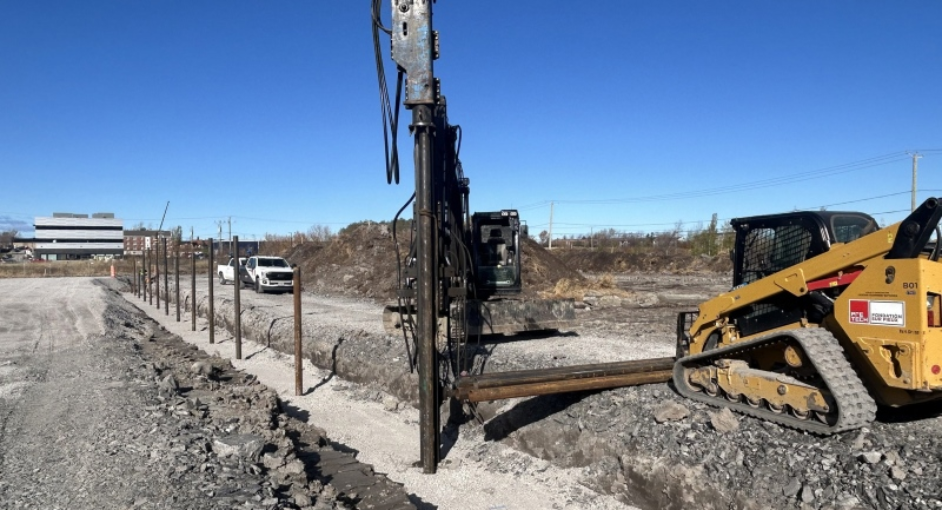
- The site is prepared for the work. There may be some excavation and clearing the site of vegetation or debris.
- The piles are delivered to the site. If the piles are oversized, transport can be challenging.
- The piles are driven into the ground using the appropriate machinery. Different hammers and hydraulic machines can be used. The machinery must comply with the standards in effect in the region.
- Once the piles have reached the point of resistance or bedrock, they are capped with steel or concrete. At this step, testing is conducted to ensure the load-bearing capacity of the piles.
- The rest of the construction can begin.
- Pile Foundation Installation for Bored Piles
- The site is prepared. As with driven piles, excavation work may be necessary.
- Using the appropriate equipment, holes are drilled into the ground until they reach the desired depth.
- Steel structures are placed in the holes. Moulds are sometimes used.
- The holes are filled with poured concrete.
- The concrete cures. This step can take some time, depending on weather conditions, soil moisture, and the size of the piles.
- Tests may be necessary to verify the load bearing capacity of the piles and their readiness.
- Construction can begin.
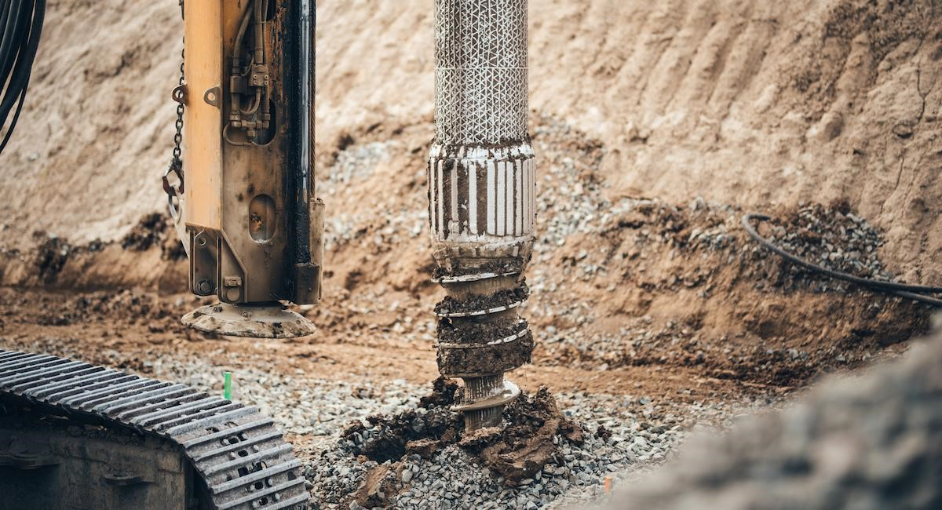
The types of piles used depend on the project, the soil type and the depth needed. The budget and timeline of the project can also have an impact. Concrete can be cheaper, but some projects will prioritize speed and choose driven piles instead. Both options are solid and durable; the final choice really depends on the specifics of the project.
What Are the Advantages of a Pile Foundation?
There are many reasons to use piling as a method of deep foundation. There are advantages relative to a specific type of pile foundation, or a specific method.
- Stability Where the Soil Is Weak
When the soil is weak, it can collapse or compact unevenly under the weight of a building, creating pressure on the structure and lead to cracks, water infiltration, and other foundation issues. A foundation pile helps prevent these problems by transferring the building’s weight to solid ground. This is especially important in residential construction, where new homes may require piles to ensure long-term stability.
- Protection Against Scouring
In locations close to bodies of water, such as rivers or lakes, there’s always a certain risk of scouring. Scouring occurs when parts of the foundation that are underground are exposed because of erosion. This can still happen with piled foundations, but it won’t cause any problems.
- Offers Versatility
There are many types of piles and piling techniques, ensuring an effective solution for your project. Pile foundation details can vary based on material and installation methods.
- Respects the Environment
Compared to other methods, pile foundations might have less impact on the environment. This depends on the building site and the piling technique. Generally, installing piles will create less disturbance than excavating the entire area.
- Lasts for a Very Long Time
The durability of piles depends on the material and its quality, the environment and soil conditions, as well as the weight it supports. They can usually last many decades easily, and even centuries in some cases.
- Quick to Install
This is especially true for driven piles, as they simply need to be driven and capped before construction can begin. Depending on the soil and depth required, installation can be quick, helping reduce construction timelines. With bored piles, the situation is different. Since concrete must be poured and allowed to cure in the ground, the process naturally takes more time and involves additional steps, resulting in longer delays compared to driven piles.
- Cost Effective
Piling isn’t necessarily low-cost, but in challenging soil conditions, it can be more economical than alternative foundation techniques. It’s far more affordable than having to repair or replace damaged foundations later on.
- Can Minimize Vibrations
Vibrations are often a concern when using driven piles, particularly near historical buildings. However, not all installation methods produce the same level of vibration. With hydraulic machinery, piles can be driven into the ground with minimal noise and disturbance.
What Are the Disadvantages of Pile Foundations?
Even though the advantages of pile foundations are undeniable, there are some disadvantages to consider. However, it’s not about of choosing the best method overall - it’s about having a qualified expert asses all the relevant factors and determine the most appropriate technique for your specific project.
Foundation piling costs can be high. Whatever technique or material is used, having deep foundations is always more expensive because of material and labour costs, as well as specialized equipment. With driven piles, there’s transportation costs to consider.
The pile foundation design and installation process can be complicated. Engineering expertise is necessary, and the equipment needed adds to the complexity.
Even though pile foundations aren’t the most disruptive construction technique, they still come with some environmental impact. There may be a risk of soil displacement, which can lead to ground settlement and potential structural damage. Noise and vibration can be a nuisance to nearby communities and wildlife. In some cases, water contamination or disturbance to aquatic habitats is possible.
When evaluating the potential issues associated with piling, it's important to consider the alternatives. Other deep foundation methods may come with their own challenges, and in some cases, choosing not to use piling at all can lead to significant consequences. If deep foundations are required and not installed, the resulting damage can be extensive—and far more costly than the initial investment in piling. It can also lead to environmental concerns such as contamination or increased disturbance to the surrounding area.
How Deep Do Pile Foundations Need To Be?
There’s no universal depth that piles need to reach to correctly support a building. Pile foundation depth calculations consider many factors, such as building weight, soil conditions and the type of piles. Usually, in Quebec, because of the risk of frost heave, piles must be driven at least four metres into the soil. However, piles are driven down to stable soil or bedrock to be effective, which means that the required depth could be much deeper.
The heavier a building is, the deeper the piles need to be. With driven piles, there is a certain limit to their length, because they are manufactured and transported. Piles can still reach lengths of over 50 metres. The maximum depth of a pile foundation is higher with bored piles, as they are cast in place. For offshore projects, you can see piles of 150 metres or more. <br><br>While extremely long concrete piles are technically possible, they may not be available or practical in your area. In any case, pile foundation construction requires the work of experts to assess the appropriate depth and ensure a correct foundation design.
What Is the Lifespan of a Pile Foundation?
A few factors impact the lifespan of pile foundations for a house, such as the pile material, the weight supported, and the degree of corrosion. The lower the weight, the longer a pile can last. The less corrosive an environment, the longer the pile will last too. Of course, the type of material plays a significant role—concrete is generally more durable than steel. However, overall quality matters just as much. Poor-quality concrete may not last as long as high-grade steel.
The same pile, under different circumstances, can last twice as long. Underground, piles tend to last longer than those exposed to air and wind, and can easily last up to 80 years. Some piles last for centuries.
Proper planning and installation are essential for long-lasting foundations. Since load affects durability, using more piles can help extend the foundation’s lifespan. Selecting the right material, determining the appropriate depth, and ensuring high quality are also key factors. The installation process must be handled with care, as damage can occur during pile driving or while casting piles in place. Helical piles, in particular, can exceed their torque limit and lose stability if not installed correctly.
Regular maintenance and inspections can help identify potential issues early, which can significantly extend the lifespan of the piles.
What Are the Hazards in Piling Activity?
Like any construction work, piling activities come with certain hazards - some affecting only on-site workers, others potentially impacting the surrounding environment.
Worksite hazards often involve equipment and machinery. Collisions can occur between machines, vehicles, or even workers, especially if cranes or lifting equipment are not properly handled. There’s a risk of dropped loads or equipment striking nearby objects or people. In addition to human error, malfunctioning machinery can lead to serious injuries or accidents.
Noise and vibrations from piling activities are often considered a nuisance, but they can also lead to significant damage. Vibrations may directly impact nearby structures or disrupt the soil—particularly in weak or unstable areas—potentially causing foundation issues in neighbouring buildings. Excessive noise can affect the well-being of workers and nearby residents.
Other hazards are related to soil conditions. In areas with high water tables or prone to flooding, piling may worsen existing issues or increase the risk of water contamination.
Services like water, gas or electricity, both overhead and buried, could be affected by piling, either while drilling in the ground, or by hitting power lines with equipment. Accidents of this type could be very dangerous and cause serious damage or even fatalities.
Although no construction method is entirely risk-free, the majority of hazards associated with piling can be effectively controlled and minimized by working with experienced professionals. By following strict safety protocols and conducting thorough site assessments, most issues can be anticipated and avoided.
What Do Piling Contractors Do?
Piling contractors are specialists in installing deep foundations, which are often required for weak soil conditions or large structures. Their role covers every step of the process, from initial assessment to final delivery.
- Step 1: Assessment
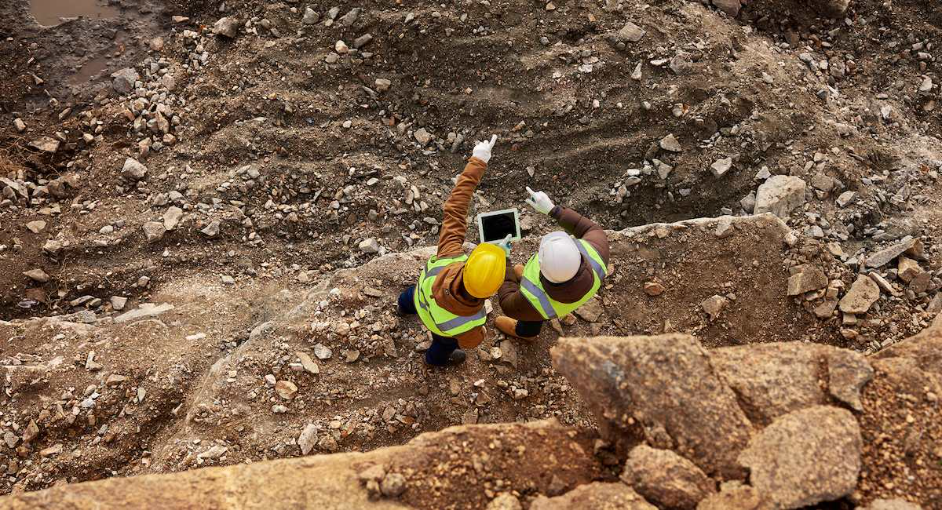
The first step is the analysis of the soil and the site evaluation. This is arguably the most important step because if something is overlooked, it can compromise the success of the entire project. All factors are calculated to determine the type of pile needed, the correct depth to which they need to be driven, the number of piles and configuration, etc.
Contractors often provide a free quote at this stage to give a general idea of the price. However, some estimates include disclaimers regarding the depth and number of piles, which can result in a final bill that’s significantly higher than expected. At Pretech, we take a different approach: our quotes are prepared by an engineer who thoroughly evaluates all relevant factors to provide a final, accurate price from the start.
- Step 2: Site Preparation
Once the quote is accepted, the construction site is cleared of vegetation and debris. Often, some excavation is needed and the use of retaining walls could be necessary.
- Step 3: Installation
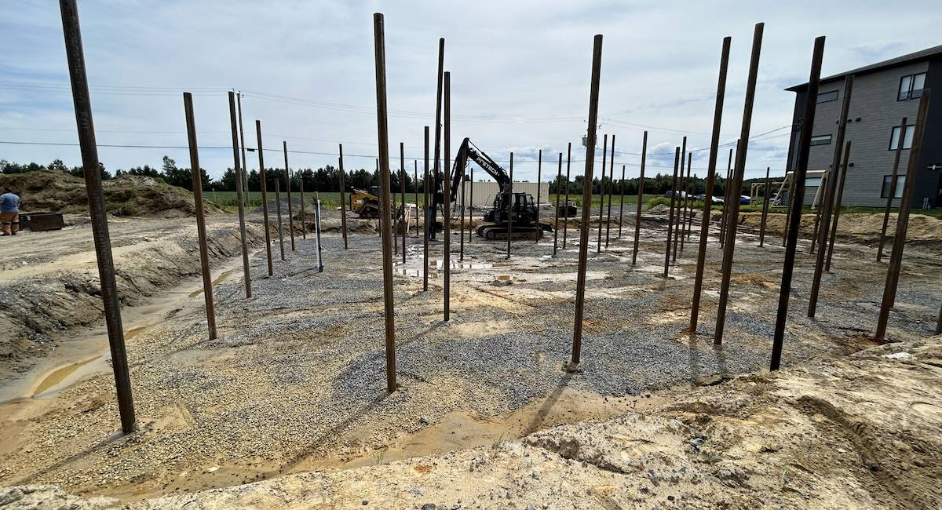
Depending on the technique used, either driven piles or bored piles, the installation can start. With driven piles, they are placed according to the construction plans, then driven using the correct machinery. At Pretech, we use a hydraulic hammer, which doesn’t create noise or vibration.
With bored piles, holes are drilled into the soil. Then a steel structure is inserted into each hole and concrete is poured. The piles are then capped, and the construction of the building can start.
At Pretech, we take pride in using an efficient and reliable method. In addition to installing piles with a hydraulic hammer, we fill our cylindrical steel piles with concrete. This combination provides maximum strength and stability, ensuring dependable performance in any type of soil.
Piling contractors can also make foundation repairs. For example, for a house that has started to sink, it’s possible to use hydraulic piles. This specific type of pile is attached to the house. Then, using hydraulic jacks, the piles are driven into the ground until they reach stable soil or bedrock. With this technique, the house can be levelled precisely, thanks to the hydraulic technique.
In some cases, if the damages are too severe, a new foundation can be built after raising the house. This type of work can be done by piling contractors. In extreme situations, where the house structure is compromised, a qualified piling contractor will assess the situation and inform you of your options.
How to Choose the Right Piling Contractor?
Doing your research is essential when planning to hire a piling contractor. Some companies may use piles that are cheaper or more convenient but haven’t been properly tested for long-term durability. For example, screw piles are popular because of their convenience, but they aren’t as reliable as driven piles. This can lead to foundations that don’t last or cause structural issues down the line.
Comparing prices is obviously important, but so is comparing techniques, materials and processes. What type of machinery do they use? What types of piles do they use? Do they offer a free and thorough quote? All these questions can help you narrow down the choices.
When choosing a contractor, reading reviews online and asking for references are always a good start. Ensure they have the proper insurance, so you are both covered in case of problems or accidents. Relevant permits and qualifications are essential. You can also inquire about their experience with your type of project. Some contractors have very niche expertise, while others do a bit of everything. Finally, the whole project will be much more enjoyable if you have a compatible communication style and feel genuinely comfortable with the contractor.
Trust the True Experts
Pile foundations are serious work and have a significant impact on the long-term stability of any structure—residential, commercial, or industrial. From supporting homes on shifting soil to anchoring heavy buildings and infrastructure, they provide versatile solutions tailored to specific project needs.
It’s crucial to work with experienced foundation professionals who can assess your site conditions and recommend the best piling approach. Trying to cut corners at this stage often leads to costly issues down the road. Foundations are meant to last—investing in the right people and the right method is always worth it.

Passionate and innovative at heart


