
Is your foundation showing signs of weakness? Costs, solutions, and practical advice
Worried about your home’s foundation? Learn to spot issues early, explore foundation repair options, and understand costs before damage gets worse.
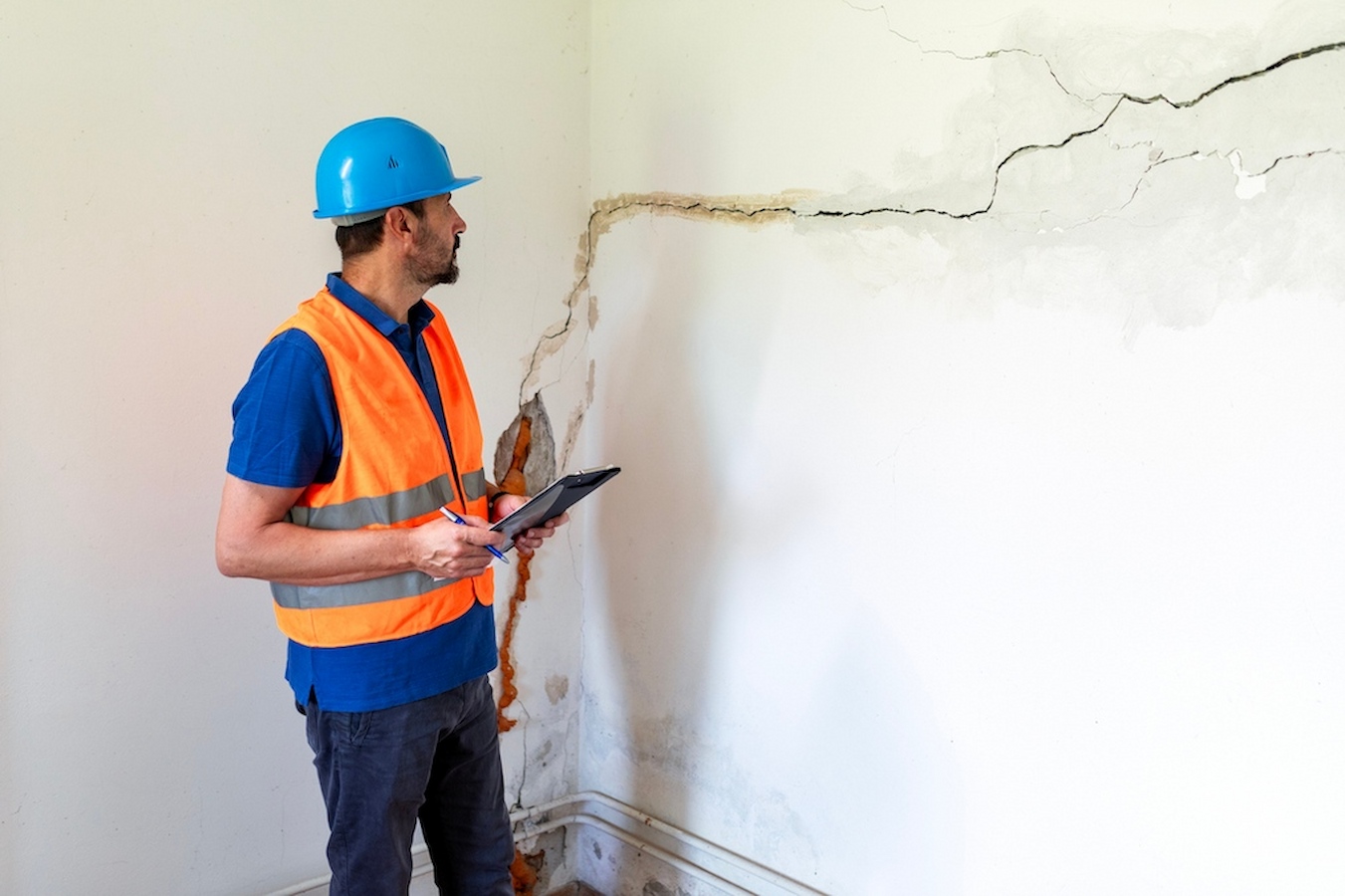
Foundation problems are among the worst-case scenarios for a homeowner. If not addressed properly, they can have serious consequences. Whether your home is built on a pile foundation or another type of structure, it’s essential to know how to recognize the warning signs and understand the solutions available to you.
Even though repairs can be costly, they’re often essential to ensuring the structural integrity and safety of your home. In this article, we’ll take a look at the warning signs you should watch for, possible solutions, the costs to expect… and everything you need to know to take action at the right time.
How can you tell if your foundation is problematic?
Foundation problems can develop slowly and go unnoticed until they become serious. There are several signs that may indicate your home's foundation is at risk, such as:
Cracks in the walls or floors—One of the most common signs of foundation problems is the appearance of cracks in your home's walls or floors.
Doors and windows that don't close properly—When the foundation of your home begins to settle or shift, doors and windows may become misaligned. This can cause them to stick or not close at all.
Uneven or Sloping Floors –If your floors begin to slope or dip, it could indicate that your foundation is settling unevenly, which can lead to more severe damage if left untreated.
Cracks in the Foundation—Although small cracks may seem minor, even a hairline crack in a foundation can indicate underlying movement or stress. If these cracks expand or are accompanied by other signs of foundation settling, they may signal a deeper structural issue that needs attention.
If you notice any of these signs, it's essential to schedule a foundation inspection as soon as possible to assess the severity of the issue.
Understanding foundation cracks, when to worry, and when they might be harmless, can make all the difference between a quick fix and a major structural problem. A professional will help determine whether the cracks are cosmetic or symptoms of deeper foundation problems that require immediate attention. .
Types of Foundation Cracks: When to Worry
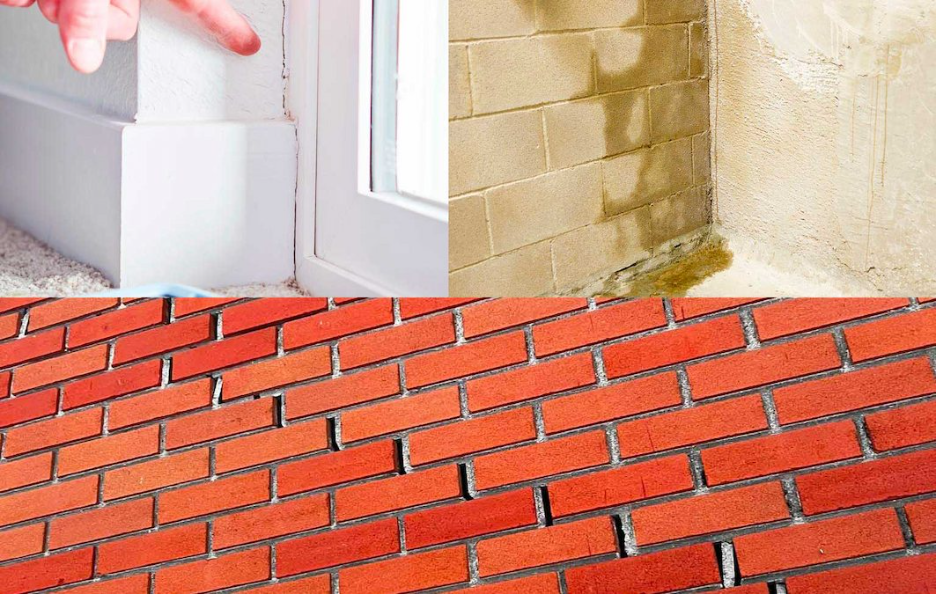
Not all cracks in a foundation are created equal. While some may be minor, others can signal more serious problems. Understanding the types of foundation cracks is key to knowing when to worry.
Hairline cracks — Small cracks, often referred to as “hairline cracks,” can be caused by natural settling or temperature changes and are typically not a cause for concern. However, if these cracks widen or grow over time, it could be a sign that more significant issues are developing.
Vertical cracks — Vertical cracks are often caused by the natural settling of the foundation or minor shifts in the soil underneath. If the crack widens over time, it could signal more serious foundation problems that require professional attention.
Horizontal cracks — Horizontal cracks are a more serious issue and often indicate that the foundation is under significant pressure, such as from soil expansion or water buildup. These cracks need immediate attention as they can lead to structural instability.
Diagonal cracks — These cracks can result from both settling and soil movement. While some diagonal cracks may not be a cause for immediate concern, others could indicate a more significant foundation problem that needs to be addressed.
If you notice any of these types of cracks, it's a good idea to contact a foundation repair specialist to evaluate the damage and determine the best course of action.
What Would Cause a Foundation to Crack on a House?
Foundation cracks can develop for a variety of reasons, ranging from natural settling to external environmental stress. While some causes are relatively harmless, others can signal or lead to serious foundation problems if not addressed. Here's a breakdown of the most common culprits behind a crack in a foundation:
- Natural Settlement—All houses settle over time as the soil beneath them compacts. Minor settling is expected and often results in small, hairline cracks that are usually not structural. However, excessive or uneven settling can cause larger, more concerning cracks.
- Poor Soil Conditions—Expansive clay soils, which swell when wet and shrink when dry, are a leading cause of foundation settling. These constant shifts in soil volume put stress on the foundation and can lead to cracking.
- Inadequate Drainage –Water is one of the most damaging forces to a foundation. Poor drainage or improper grading around your home can allow water to pool near the foundation, leading to the need for foundation leak repair or creating hydrostatic pressure that cracks walls and floors.
- Tree Roots—Large trees planted too close to the house can cause soil displacement as roots grow underneath the foundation. This can create uneven support and result in cracking or shifting.
- Extreme weather conditions—Prolonged droughts or heavy rains can both wreak havoc on the soil beneath the foundation. Sudden changes in moisture levels can cause the soil to shrink or swell quickly, stressing the foundation in the process.
- Construction Defects—Sometimes, the foundation itself may have been poorly designed or constructed using substandard materials. Thin slabs, insufficient reinforcement, or improper curing can all contribute to premature cracking.
- Seismic Activity or Frost Heave—In areas with freezing temperatures or where minor earthquakes occur, natural forces can also cause the foundation to crack. Frost heave occurs when water in the soil freezes and expands, pushing the foundation upward and causing stress fractures.
Understanding what’s behind a foundation crack is essential to choosing the right repair method. While some cracks are cosmetic, others may indicate deeper structural issues. A thorough foundation inspection will help determine whether a crack is harmless or something that needs immediate attention.
Can You Replace a Foundation Without Lifting the House?
In most cases, yes. Foundation repair can be done without fully lifting the house off its foundation. Whether or not lifting is required depends on the severity of the damage and whether you're repairing or replacing the foundation. In some cases, leveling the house is part of the solution, particularly when foundation settling has caused uneven floors or structural imbalance.
For minor to moderate issues, several proven repair techniques can restore structural stability without disturbing the entire house:
- Crack Injection—For small, non-structural issues such as a hairline crack in a foundation, professionals may use epoxy or polyurethane to seal the crack and prevent water infiltration. This method is quick, inexpensive, and minimally invasive.
- Injection Lifting (Slab Jacking or Mud Jacking)– Used to correct sunken or uneven concrete slabs, this method involves pumping grout under the slab to raise it back into place. No lifting of the house is required, and the results are immediate.
- Installation of Piles (or Support Structures)—In cases of significant foundation settling, steel or concrete piles are driven deep into stable soil. These piles are then used to carefully lift and relevel the affected portion of the foundation. While piling does involve lifting, it's a precise and localized adjustment, not a full elevation of the house. The home remains structurally supported throughout the process.
- Helical piles—These screw-shaped supports are ideal for difficult soil conditions. Like traditional piles, they help stabilize the foundation without lifting the house in its entirety.
However, when a foundation is beyond repair, for example, due to structural failure, crumbling concrete, or extensive water damage, a complete replacement of the foundation may be necessary. In that case, lifting the entire house is unavoidable. The structure must then be carefully elevated using hydraulic jacks to allow for the old foundation to be demolished and rebuilt underneath. This is a complex, expensive undertaking and typically a last resort.
In summary, while you cannot replace a foundation without lifting the house, you can often repair it without doing so. Modern methods like slabjacking and piling allow contractors to correct many foundation problems with minimal disruption. The key is catching the issue early, before it progresses to the point where the foundation needs to be replaced.
Foundation Repair Solutions: What Are Your Options?
There are several foundation repair solutions available, depending on the nature of the problem. These include:
- Pile Installation (or Shoring)— As mentioned, this method involves driving steel piles into the ground to lift and stabilize the foundation.
- Slab Jacking –Particularly suitable for homes with concrete slab foundations, this method involves injecting grout underneath the foundation to fill voids and lift the slab back into position.
- Carbon Fiber Reinforcement—For walls with horizontal cracks or bowing, carbon fibre strips can be installed to reinforce the foundation and prevent further movement.
- Sealing and Waterproofing—When cracks are caused by water infiltration, foundation leak repair may involve sealing cracks and installing a drainage system to prevent future water damage.
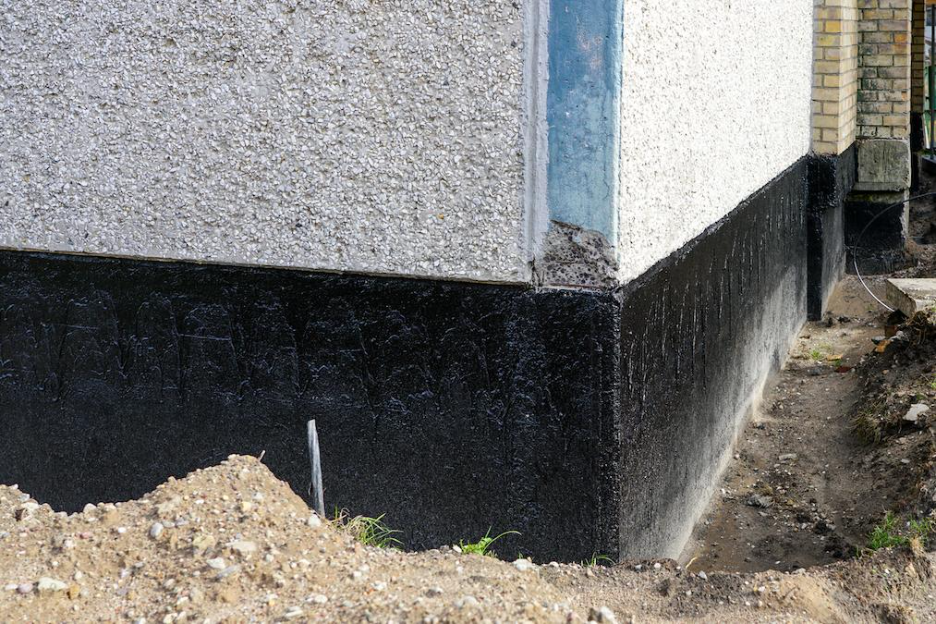
Each of these methods addresses a specific type of problem. Choosing the most appropriate solution depends on the underlying cause and the severity of the damage. A professional assessment is therefore essential to determine the most effective and durable repair approach for your home.
Is it possible to repair the foundation yourself?
Although some minor repairs, such as sealing small cracks, can be done by homeowners themselves, most foundation problems require the expertise of professionals. Foundation repair requires specialized equipment as well as a thorough understanding of soil conditions, building codes, and structural engineering.
Trying to fix more serious problems on your own—such as a sinking foundation—can be dangerous. Furthermore, without the proper tools or the necessary experience, you risk making the damage worse, which could lead to even more expensive repairs down the line.
Hiring a professional contractor who specializes in foundation stabilization, leak repair, and other major repairs is generally the best course of action to ensure the problem is fixed correctly and safely.
How Much Does It Cost to Repair a Foundation in Canada?
How much does foundation repair cost in Canada? On average, homeowners in Canada can expect to pay anywhere from $2,000 to $7,000 for foundation repairs, but costs can exceed this range for more complex issues.
Factors that influence the foundation repair cost include:
- Type of foundation—Homes with a pile foundation or slab foundation may require different repair methods, which can impact the overall cost.
- Extent of Damage—A minor foundation crack repair may cost as little as $500, while major repairs like sinking foundation repair cost can run into the tens of thousands of dollars.
- Repair Methods—Techniques like piling and slabjacking are generally more affordable than replacing an entire foundation, but the complexity of the problem can still drive up the cost.
When budgeting for fixing a house foundation, it’s important to get multiple quotes from reputable contractors to ensure you’re getting a fair price.
How Can Foundation Issues Affect a Home's Value?
Foundation problems can have a significant impact on the value of your home. If your home has foundation cracks or settling issues, it may be less attractive to potential buyers, and the resale value could drop. Buyers may worry about the cost of foundation repairs and the long-term stability of the home.
Moreover, a foundation inspection will often be part of the home-buying process and if issues are discovered during the inspection, it can make it more difficult to sell the home. You may even be forced to reduce the asking price to cover repair costs. Therefore, timely repairs are essential not only for structural integrity, but also for preserving your home’s market value.
Don't Wait to Address Foundation Problems
Foundation issues are serious, but they don’t have to be a cause for panic. Early detection and prompt repair can help save you from expensive repairs down the road and protect the structural integrity of your home. Whether you need minor foundation crack repairs or more extensive work like sinking foundation repair, there are several options available to address the problem.
If you suspect a foundation problem in your home, schedule an inspection with a foundation specialist to assess the situation and determine the best course of action. Timely repairs can not only safeguard your home but also preserve its value for years to come.

Passionate and innovative at heart


