
When Is Foundation Replacement the Best Option? A Guide for Homeowners
Discover when foundation replacement is necessary, what the process involves, and the risks of delaying it. A must-read guide for homeowners.
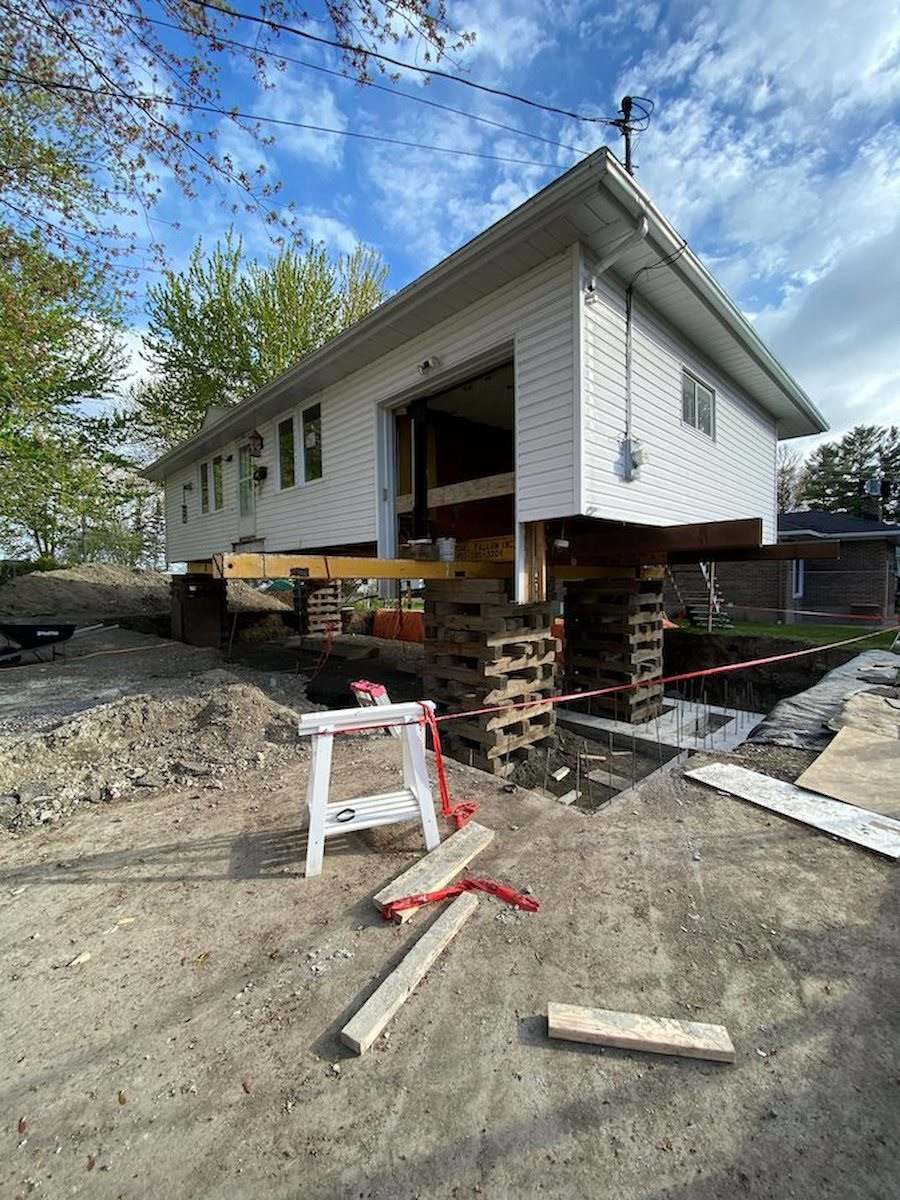
A home’s foundation is essential to its stability, but it can deteriorate and require repairs over time due to soil movement, water, or age. Knowing when foundation replacement is necessary is key to maintaining your home’s safety and integrity. This guide answers common questions about foundation replacement.
Can You Put a New Foundation Under an Existing House?
Yes, a new foundation can be placed under an existing house through a process called "foundation replacement." This is usually needed when the current foundation is damaged by cracks, shifting, or water intrusion.
The process involves raising the house and removing the old foundation. Once removed, a new, often reinforced concrete foundation is built, addressing issues like soil instability.
This requires careful planning and skilled professionals to ensure the home remains stable and secure throughout the project.
To replace the foundation under an existing house, costs can vary depending on the extent of the damage and the foundation type.
What Is Involved in Replacing a Foundation?
Replacing a foundation begins with a comprehensive inspection of the house and its foundation. Engineers assess the extent of the damage and create a plan based on the home’s condition and the stability of the underlying soil.
Once the plan is in place, the house is carefully raised, and temporary supports are installed to ensure the home remains stable during the process. After the house is lifted, the old foundation is removed, and any issues with the soil—such as shifting, erosion, or water damage—are addressed.
The new foundation is then constructed, often using reinforced concrete for durability and strength. Depending on the home's needs and soil conditions, the foundation could be a concrete slab, a crawl space, or a full basement.
Once the new foundation is in place, the house is lowered back onto it. Plumbing and electrical systems disturbed during the process are adjusted, and the area around the foundation is backfilled. A final inspection ensures the foundation is secure, providing long-term safety for the home.
Why Would You Lift a House to Replace the Foundation?
Lifting a house to replace its foundation is necessary when significant structural damage, like crumbling concrete, large cracks, or shifting from unstable soil, compromises stability. Foundation replacement restores the home’s safety and structure.
Additionally, lifting may be required to create more living space, such as replacing a crawl space with a full basement.
If the underlying soil is unstable, such as expansive clay causing shifting, a new, stronger foundation is needed. Lifting the house allows for better soil stabilization and long-term durability. Extreme weather events like flooding or earthquakes can also cause irreparable damage, making foundation replacement essential.
In some cases, it's possible to replace a foundation without lifting the house, especially if the damage is localized or minimal. This approach may involve reinforcing the existing structure or addressing specific issues without the need to raise the entire home. However, for significant damage or when soil instability is a factor, lifting the house is often necessary for long-term stability and safety.
At What Point Does a Foundation Need to Be Replaced?
Determining when to replace a foundation can be tricky, but several warning signs suggest it's time to act:
- Severe Cracks and Settlement: Deep, horizontal cracks or uneven settling are signs of potential structural issues. Large cracks or noticeable settling can compromise the foundation’s integrity.
- Foundation Shift or Movement: Shifting, sinking, or lifting of the foundation signals a serious problem, often caused by poor soil, water damage, or erosion, which can destabilize the structure.
- Water Damage or Flooding: Persistent water seepage, despite waterproofing, indicates a larger issue that weakens the foundation and can lead to mould or mildew growth.
- Cost of Repairs vs. Replacement: Ongoing and costly repairs can make replacement a more cost-effective option, especially for older foundations that no longer meet modern standards. For old house foundation replacement, this is often the case, as older foundations may have suffered years of deterioration, requiring a full replacement to ensure the home's safety and structural integrity.
- Structural Problems: If the home’s structural integrity is compromised and repairs are ineffective, full foundation replacement may be necessary for safety.
What Are the Risks of Not Replacing a Damaged Foundation?
Delaying foundation replacement can lead to serious risks, including structural damage like sloping floors and cracked walls. As the damage spreads, repair costs escalate, especially if other parts of the home are affected.
A compromised foundation also creates safety hazards, such as potential collapse or damage to vital systems like plumbing and electrical wiring. Water seepage can lead to mould growth, posing health risks, particularly for those with respiratory issues.
Additionally, a damaged foundation can reduce your home's value, making it harder to sell. Buyers may be deterred by known foundation issues, and repairs may be necessary before listing the home on the market.
How Much Does It Cost to Lift a House and Replace the Foundation in Canada?
The foundation replacement cost in Canada ranges from $30,000 to $150,000, depending on factors like home size, complexity, foundation type, and extent of damage. Larger or more complex homes cost more, and foundations like full basements or crawl spaces increase the price due to additional excavation and materials.
Location affects the cost to lift a house and replace foundation, with harder-to-access homes or those in extreme weather areas incurring higher expenses. If foundation damage has impacted other parts of the home, such as walls or plumbing, additional repairs will increase costs. Despite the expense, foundation replacement can enhance your home's value and prevent future costly issues.
Protecting Your Home Starts with a Strong Foundation
Foundation replacement is a critical decision for homeowners facing significant structural issues. Whether due to cracks, shifting, or water damage, addressing foundation problems promptly is essential to ensuring the safety and stability of your home. Although the process can be costly, it ultimately protects your investment and can increase your home's value. By recognizing the signs of foundation damage, understanding the steps involved in replacement, and consulting with experienced contractors, homeowners can make informed choices that safeguard the long-term integrity of their property.

Passionate and innovative at heart


