
Foundation Stabilization: Restore Strength and Stability to Your Home
Learn about foundation stabilization, methods to restore foundation stability, signs of damage, and the cost to stabilize your foundation for long-term safety.
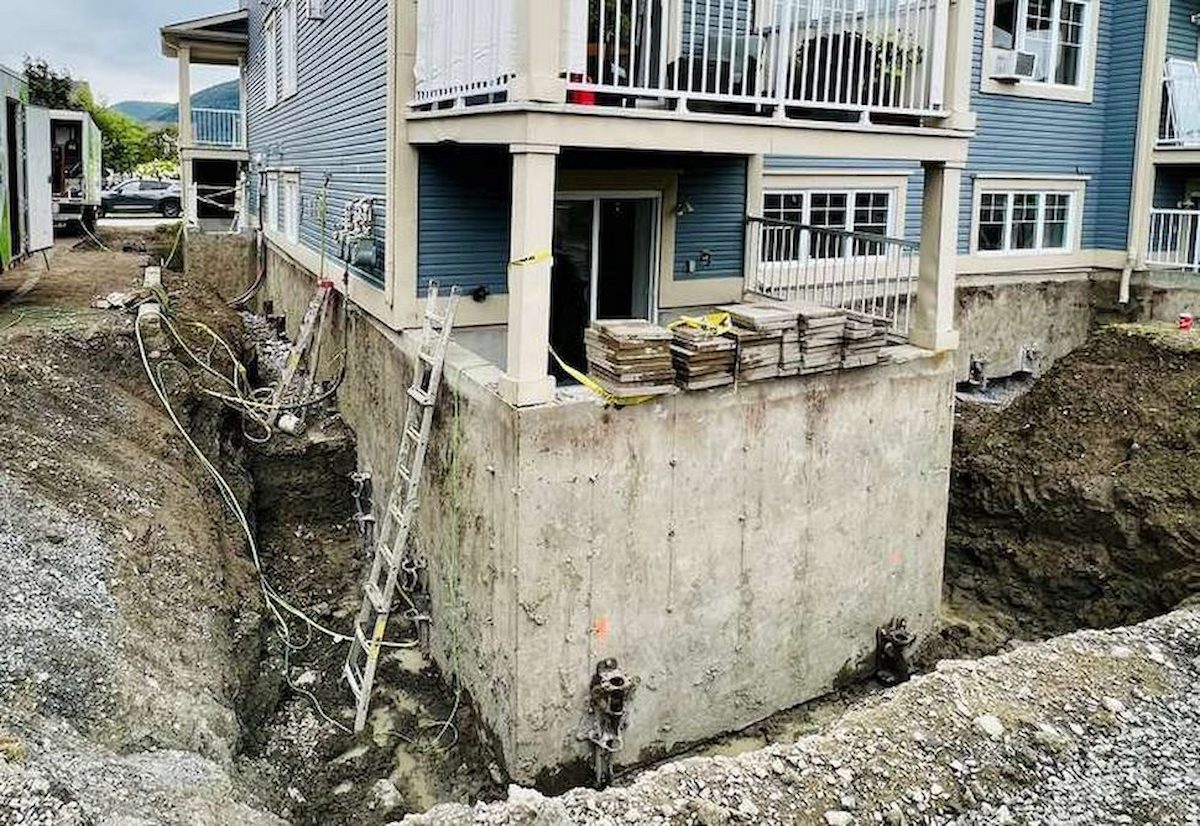
Your home’s foundation is the bedrock upon which everything stands. It is responsible for supporting the weight of your home, maintaining its structural integrity, and ensuring safety for you and your family. However, over time, various factors such as ground movement, water damage, and age-related wear can cause an unstable foundation. This can lead to serious structural problems and costly foundation repairs.
Fortunately, foundation stabilization is a solution that can restore the strength and stability of your home, protecting your investment and ensuring a safe living environment. In this article, we’ll dive into what foundation stabilization is, why it’s important, and how you can address potential foundation issues in your own home.
What is Foundation Stabilization?
Foundation stabilization refers to the process of strengthening and reinforcing a home’s foundation to prevent further damage and restore its original structural integrity. It involves a combination of repair methods designed to fix foundation problems such as settling, cracking, or shifting.
Are Foundation Stabilization and House Levelling the Same Thing?
No, they are two different things, although they are related. Leveling involves correcting the tilt of the entire structure by adjusting the foundation to bring it back to level. Repairing an uneven foundation, on the other hand, aims to stabilize the foundation itself to prevent shifting or cracking. Sometimes, both processes are necessary to resolve foundation problems.
How do you repair an unstable foundation?
One of the most common methods for stabilizing a foundation is the injection of resin or cement, a technique known as pressure grouting. This method involves injecting materials into the soil beneath the foundation to fill voids and stabilize the ground. This helps restore the structure’s balance and original position.
In severe cases, piers or shoring beams are used for added support. Piers are driven deep into the ground to reach stable soil, ideal for unstable foundations. Shoring beams temporarily hold the structure while permanent repairs are made. Piles, strong columns of steel, concrete, or wood, are also used to reach solid, load-bearing soil, especially when the foundation is affected by very soft or shifting soil.
Another method is using carbon fibres or metal to reinforce damaged foundation walls. Straps or mesh are applied to support the walls and prevent further cracking. If moisture is a factor, installing a drainage or waterproofing system is essential. This system redirects water away from the foundation, minimizing the risk of erosion or corrosion.
What Are Some Signs that Your House Needs Stabilization?
Here are a few issues that could indicate your foundation needs stabilization:
- Cracks in the Walls or Foundation: Small hairline cracks may be normal, but large or growing cracks, especially those that appear in corners or around windows and doors, may indicate a deeper issue with the foundation.
- Uneven or Sloping Floors: If you notice that certain parts of your floors are higher or lower than others, it’s likely that your foundation has shifted or settled unevenly.
- Stuck Doors or Windows: If doors or windows become difficult to open or close, it may be a sign that the foundation is moving or sinking, causing frames to become misaligned.
- Gaps Around Exterior Doors or Windows: This can happen when the foundation moves, causing a separation between the frame and the wall.
- Visible Foundation Shifting: If you see that your foundation itself is sinking, heaving, or becoming uneven, it’s important to take immediate action to prevent further structural damage.
Why is Foundation Stabilization Important?
Foundation stabilization is crucial because it prevents foundation issues from worsening and protects other parts of your home, such as the roof, plumbing, and electrical systems, from damage. It also enhances safety, as a weakened foundation can lead to serious hazards. <br><br>While it may seem costly at first, stabilizing your home’s foundation can save you money in the long run. By addressing the issue early, you can avoid major repairs down the road. The longer you wait, however, the more expensive those repairs will likely become.
How Much Does Foundation Stablization Cost?
The cost to stabilize a foundation in Canada varies depending on the severity of the damage, the size of the property, and the method used. On average, partial foundation repairs can range from $2,000 to $7,000, while more extensive repairs may cost anywhere from $10,000 to $30,000 or more. Methods like installing piers, slab jacking, or helical piers all have different price points, with excavation and additional services like waterproofing potentially adding to the cost.
When Should You Call a Professional?
As we’ve seen, a house’s foundation is of utmost importance to its structure and safety. Therefore, if you notice signs of damage, acting quickly is key; the sooner you take steps to stabilize your foundation, the less likely you are to experience significant damage, and the more affordable the repairs will be.
Foundation repair should never be attempted as a DIY project. It's essential to call a professional who specializes in foundation repair and they will recommend the best solution. With the necessary tools, experience, and expertise, they can address even the most severe foundation issues and provide stable foundation solutions to restore your foundation effectively.

Passionate and innovative at heart


