
What Are Retaining Walls Used For? A Guide to Costs and Applications
Learn about retaining walls: their uses, types, and costs. Covers design considerations and common systems like concrete, Berlin type, and soldier pile walls.
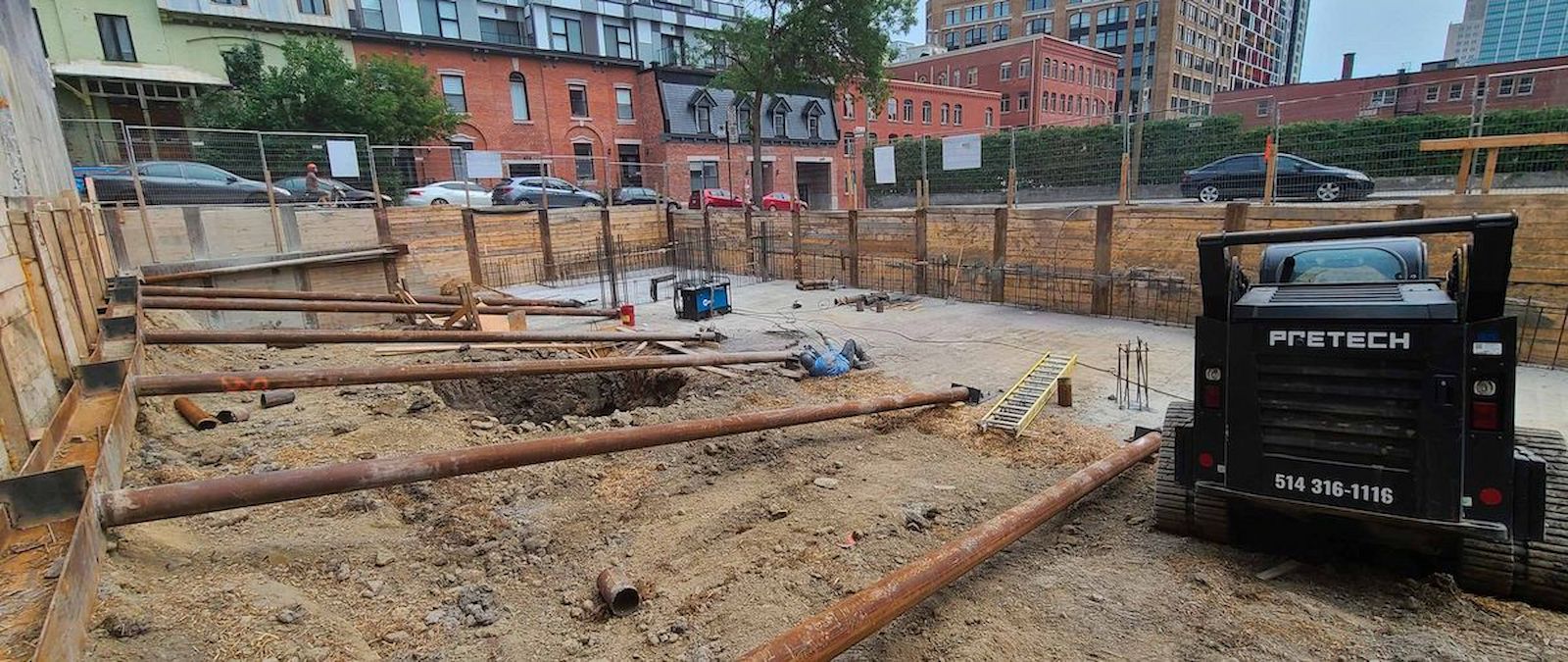
Retaining walls are used in both residential landscaping and large-scale construction for various purposes. This article focuses on retaining walls in construction and infrastructure, which are engineered to hold back soil and support significant loads.
Retaining wall design plays a key role in selecting the appropriate materials and structure to ensure stability and performance, considering factors like soil conditions and load requirements. In many cases, especially in deep excavations or unstable soils, retaining walls are supported by pile foundations , which provide additional strength and increased load-bearing capacity.
Common types of retaining walls used in construction include concrete, pile, and soldier pile walls. These high-performance, load-bearing systems are typically employed in projects such as highways, urban developments, and commercial sites. The type of retaining wall used depends on factors like available space, load conditions, and soil composition, which also influence the selection of different types of piles that will be used in the foundation system.
What Are Retaining Walls Used For?
In construction, retaining walls are essential for supporting and stabilizing soil in areas where elevation changes or slope management is required. They are commonly used to prevent erosion, create level building platforms, and protect infrastructure such as roads, bridges, and foundations. By holding back soil and managing water runoff, retaining walls enhance both the safety and usability of construction sites, especially in urban developments, transportation projects, and hillside construction.
The following sections explore several types of retaining walls such as concrete, Berlin type, and soldier pile systems, each with unique features suited to different construction needs.
What Is a Concrete Retaining Wall?
A concrete retaining wall holds back soil and prevents erosion, making it ideal for areas with significant elevation changes. Made from poured or precast concrete, these walls offer stability and support for both residential and large-scale projects. They can withstand heavy loads, making them perfect for highways, commercial developments, and steep landscapes.
Concrete retaining walls, however, may not suit sites with dynamic soil conditions or where flexibility is needed. Once built, they are difficult to modify, and in areas with extreme freeze-thaw cycles, specialized design is required for extra resistance.
What Is a Berlin Type Retaining Wall?
A Berlin type retaining wall is an efficient solution for stabilizing soil in construction, particularly in urban areas with limited space. It consists of vertical steel piles driven into the ground, with horizontal lagging installed between them to retain the surrounding soil. This system is ideal for projects requiring quick installation and adaptability to changing site conditions, making it a popular choice in densely built environments.
Used in deep excavations such as underground parking structures, subway tunnels, and building basements, the Berlin-type wall is highly modular and can be adapted to various heights and soil conditions. Its open, flexible design allows for staged excavation, which helps maintain site access and minimize disruption in active work zones. The wall's semi-permanent nature makes it particularly useful for phased construction projects. Additionally, its components can often be reused or repurposed, offering potential cost savings and environmental benefits in certain applications.
What Is a Permanent Soldier Pile Wall?
A soldier pile retaining wall is a foundation system that uses steel H-beams (called soldier piles) and infill panels to retain soil. The piles are anchored deep into the ground, and prefabricated panels or shotcrete are inserted between them. It is a durable solution commonly used in infrastructure projects.
These walls are ideal for high-load applications with limited space, like transit corridors or deep excavations. Soldier pile systems offer flexibility, allowing for incremental construction and adaptation to site conditions. Their modular design ensures efficient installation and easy integration with drainage and waterproofing for long-term stability.
How Much Does a Retaining Wall Cost in Canada?
The cost of building a retaining wall in Canada varies depending on several factors. Key considerations include the type of wall system, such as concrete, soldier pile, or Berlin type walls, each with unique material and installation needs. Naturally, height and length will also have an impact on the price.
Site conditions, including soil type, slope, and drainage, also play a role. Walls on steep, unstable ground or with specific drainage needs will require more preparation and resources. Additionally, costs can differ based on regional factors like permit costs and labour rates, making it essential to consult local professionals.
Why Professional Guidance Matters
Retaining walls are more than just functional structures, they’re engineered solutions, therefore, the design and construction of retaining walls should always be guided by qualified professionals.
Geotechnical engineers, structural designers, and experienced contractors can evaluate site-specific factors and recommend the most appropriate wall system. Their expertise helps ensure not only safety and code compliance but also cost efficiency and lasting performance.
If you're planning a project that requires a retaining wall, involving the right experts from the start is the best way to protect your investment and the integrity of your site.

Passionate and innovative at heart


