
Soil Types and Construction: When Are Pile Foundations Necessary?
Learn which types of soil for construction may need pile foundations, how to assess stability, and best practices for safe, long-lasting building projects.
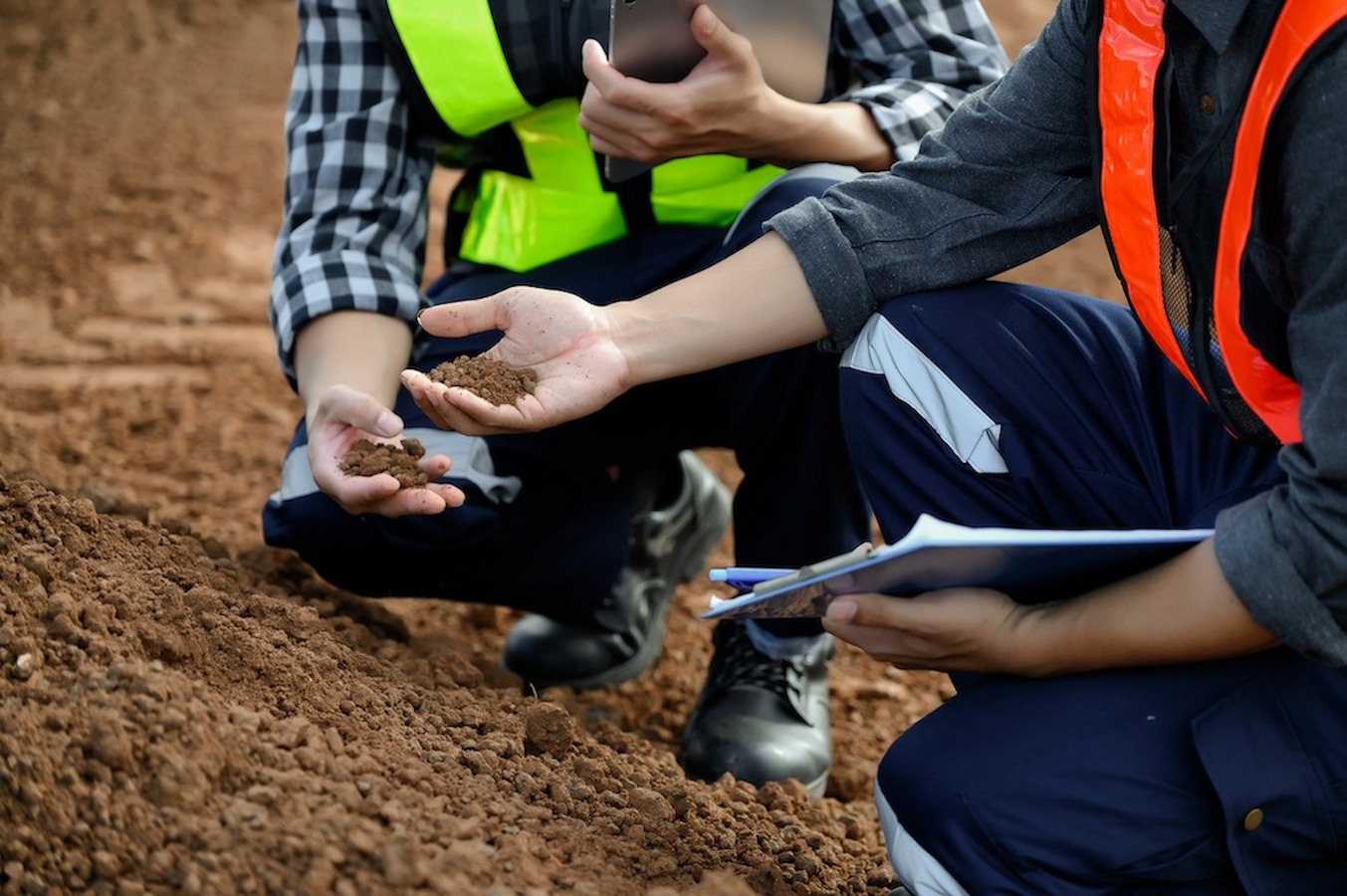
The types of soil for construction play a crucial role in determining a building’s stability and safety. When surface soils are too weak or unstable, traditional foundations may not suffice, and pile foundations are often the best solution. This article will explore soils that require pile foundations, how to assess soil-bearing capacity, and the risks of building on weak soils without proper foundations. We’ll also discuss how to choose the right pile foundation, including different types of piles, for long-lasting stability.
How Do You Determine the Bearing Capacity of Soil Before Deciding on Pile Foundations?
Determining the bearing capacity of soil is key to deciding whether pile foundations are needed. It helps engineers figure out if the surface soil can support the weight of the building or if deeper, more stable layers are required.
The process starts with soil testing, like the Standard Penetration Test (SPT) or Cone Penetration Test (CPT), to measure how resistant and strong the soil is. These tests give engineers insights into the soil’s shear strength, compressibility, and compaction.
Along with testing, a site survey is crucial. It looks at the depth, type, and consistency of the soil layers, as well as factors like groundwater, which can affect the foundation's stability. If the surface soil is weak or unstable, pile foundations might be necessary to reach more solid ground below.
Finally, geotechnical engineers analyze all the data and decide if pile foundations are the right solution. Understanding the soil’s bearing capacity ensures that the foundation will support the building properly, helping avoid issues down the line.
What Types of Soils Need a Pile Foundation?
Pile foundations are needed when surface soils are too weak or unstable to support a building’s weight. These piles are driven deep into the ground to reach stable, load-bearing layers. Soils that typically require pile foundations include:
• Soft clay: This compressible soil can settle over time, causing uneven foundation shifts.
• Loose sand: Since this type of soil is unstable and prone to shifting, it is important to determine the best foundation for sandy soil.
Muck or Peat: Organic soils like muck or peat are compressible and have low bearing capacity, necessitating pile foundations to bypass them.
• Fill soils: Common in reclaimed land areas, fill soils are often unstable and require piles to provide the necessary support.
Loam Soil: While fertile, loam can lack the necessary stability for construction when too moist or poorly compacted. In such cases, a loam soil foundation may need extra support for stability.
In all these cases, pile foundations help transfer the load to more stable soil layers beneath, ensuring the building’s stability. This makes it clear what pile foundations are suitable for which soil, providing an effective solution for weak or unstable surface layers.
Choosing the Right Type of Pile for Different Soil Conditions
Once you’ve identified the soil type, the next step is selecting the right pile foundation. Different soils require different piles to ensure stability. Here are a few examples:
• Soft clay: Both friction piles, relying on soil-pile friction, and end-bearing piles, transferring loads to stable layers beneath, can work for soft clay, with each offering the best foundation for clay soil based on the site conditions.
• Loose sand: Screw piles are often chosen for sandy soil to ensure stability.
Muck, Peat or Fill Soil: Friction piles are often used to distribute the load and stabilize the structure, while bored piles can bypass soft layers to reach more stable ground. End-bearing piles can also be used to reach solid layers beneath, especially in more challenging soils.
Loam Soil: Depending on its moisture content, loam may require either friction piles or end-bearing piles to ensure proper load support, especially if the soil is soft or saturated.
Choosing the right pile type based on soil conditions ensures the foundation’s long-term stability and strength, providing a solid base for the structure’s performance. It is essential to understand the risks of building on weak or unstable soils without the proper foundation, which we’ll touch on in the next section.
What Are the Risks of Building on Weak or Unstable Soils Without Using Ppile Foundations?
Building on weak or unstable soils without the proper foundation can lead to significant and dangerous consequences. Uneven settling is one of the most common issues, as soft soils shift over time, causing the foundation to move. This results in cracks in walls, floors, and ceilings, and can also lead to misalignment, causing doors and windows to jam. In the worst-case scenario, this shifting can compromise the entire structure, potentially leading to collapse.
In addition to structural damage, buildings on unstable soils often face escalating maintenance costs. Ongoing settlement requires continuous repairs, which can strain budgets and cause disruptions. Furthermore, the absence of a solid foundation heightens safety risks, as the structural integrity of the building may be compromised, putting occupants in danger if the building becomes unstable.
Ensuring Structural Stability: Best Practices for Pile Foundations on Weak Soils
In conclusion, pile foundations are essential when constructing on weak or unstable soils, providing a secure base for buildings. By understanding various soil types and foundations, assessing bearing capacity, and recognizing the risks of inadequate foundations, builders and engineers can ensure the safety and longevity of their structures.
Incorporating the expertise of foundation specialists early in the planning and design phases is crucial; their specialized knowledge in soil mechanics and foundation engineering enables the development of tailored, cost-effective solutions that address site-specific challenges, ultimately ensuring the structural integrity and longevity of the project.

Passionate and innovative at heart


