
The Power of Concrete Piles: Benefits, Costs, and When You Need Them
Concrete piles in construction and foundations are resistant, durable and cost-effective, but they’re not always the best option. Here’s everything to know.
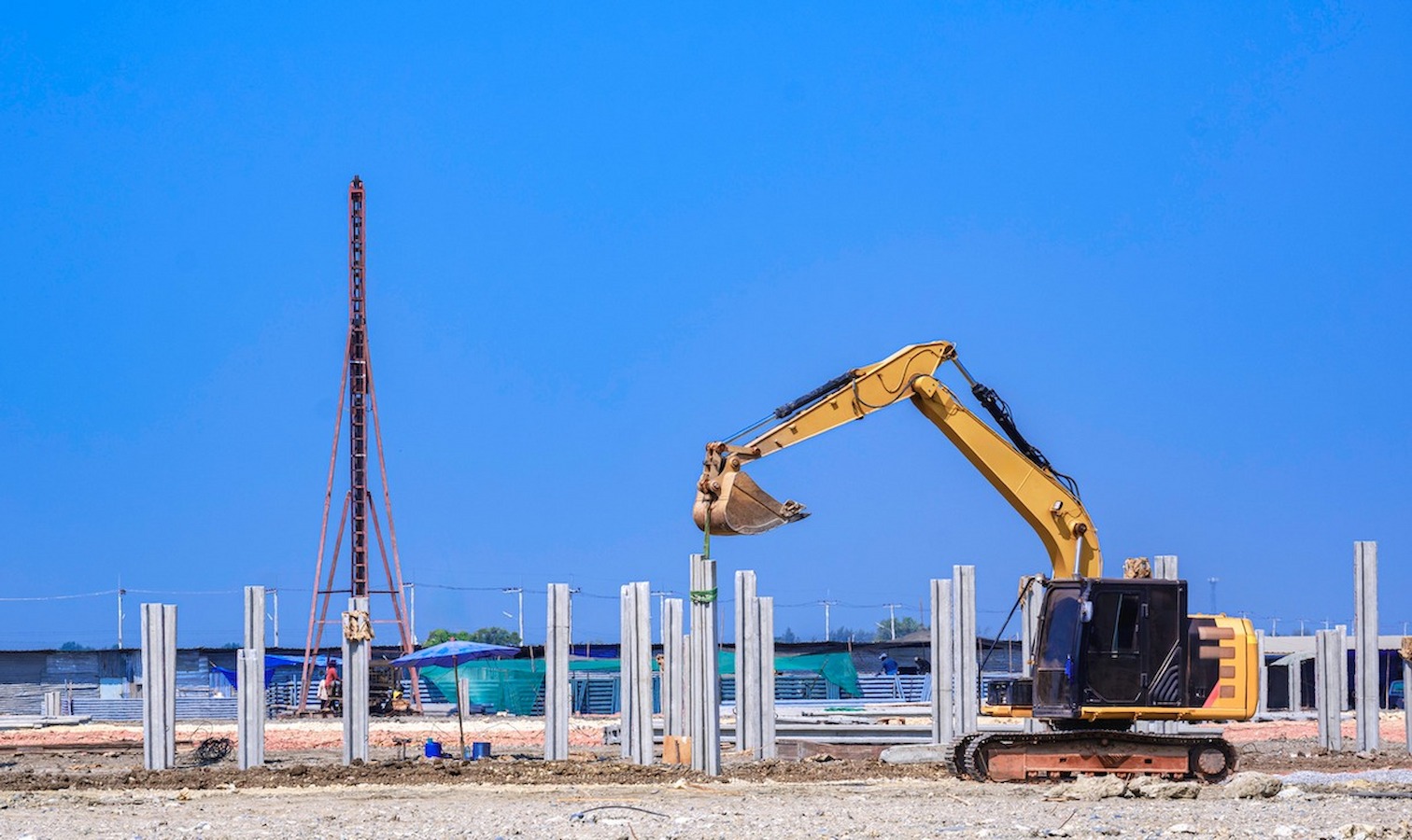
Pile foundations are sometimes necessary to ensure the stability of a building, and it's essential to choose the right type of pile. Concrete piles are very popular, mainly due to their price and versatility. Here is key information to know about concrete piles, their use and benefits.
What Is a Concrete Pile Foundation?
In unstable soil, such as clay, buildings may start to sink. In such cases, using pile foundations is the best way to avoid sinking and damage to the structure. Concrete pile foundations are often used for that reason, for residential projects but also bigger ones.
There are two main concrete pile types: cast-in-place and pre-cast. Concrete pile installation depends on its type. For cast-in-place piles, a hole will be drilled into the ground, and concrete will be poured. A steel structure is often used, creating reinforced concrete piles. Pre-cast piles arrive on site ready to be driven into the ground by heavy machinery. There are also composite piles that will combine steel and concrete
Both have their pros and cons. Cast-in-place, also called bored piles, create less vibration during installation, don’t disturb the soil much, and offer practically endless possibilities in terms of size. However, since the concrete needs to cure, projects take longer than with precast piles. This type of installation requires intensive labour and quality control.
Precast piles may be able to carry heavier loads. Since they are built in a controlled environment, the quality is more consistent. They are well suited for marine installation and are very resistant to corrosion and any type of biological or chemical exposure. There’s also the option of prestressed piles, which offer additional strength. The handling and transporting of precast piles are more complicated, requiring special equipment. The initial cost is higher than for cast-on-site piles.
What Are the Benefits of Using Concrete Piles?
Concrete piles' advantages and disadvantages are important to consider when choosing the right type of pile.
First, concrete piles offer a high structural capacity, so they can be used for heavy structures, even in challenging soil conditions.
Concrete lasts over time, up to centuries in the right conditions, and is resistant in marine or other corrosive environments.
When using cast-on-site piles, the versatility is pretty impressive. Precast also offers various options but, due to transport and handling needs, there can be significant limitations. However, precast goes through quality control, which ensures a more reliable foundation.
One of the disadvantages with concrete piles, especially compared to steel, is the lack of flexibility. They can be damaged more easily than steel during installation. As concrete is heavier, bigger machinery is needed, which can have both a cost and environmental impact. It can also cause nuisance and vibration-related problems to the surrounding buildings and affect wildlife. For bored piles, installation doesn’t require the same machinery, but it will take longer, as there are numerous steps and the concrete needs time to cure.
When To Use Concrete Piles
There are situations in which pile foundations are beneficial or even necessary, whether the piles are made of concrete, steel or even timber. These include:
- When the soil is weak or prone to erosion and liquefaction — such as in areas with clay soil, loose sand, compressible organic material, or waterlogged ground near bodies of water — pile foundations become essential. Over time, the weight of the building can compress the soil and cause it to sink. In these cases, using concrete pilings for a house can prevent costly repairs and structural damage.
- When construction takes place in areas with harsh weather conditions — including extreme temperatures, storms, or earthquakes — pile foundations can provide greater stability and long-term durability.
As for choosing concrete piles over steel piles, it depends largely on the project’s specifications. Near or on water, concrete will last longer. Concrete piles are generally cheaper than steel piles. However, concrete piles can’t usually go as deep as steel ones. They also have a higher environmental impact. As cast-on-site piles need curing, extra time has to be taken into consideration.
How Much Does Concrete Piling Cost?
The cost of concrete piles depends on the project. In general, it is a cost-effective technique and is usually cheaper than steel piling. However, there can be a great difference between the types of concrete piles. Precast is more expensive than bored piles, especially if it’s prestressed. There’s also an extra cost relative to the handling and transport of precast piles. For cast-on-site, the delays required for the different steps and the curing of the concrete can have an important impact.
Other factors, such as the size and quantity of piles, as well as soil conditions, will also play a role in determining the final cost.
Concrete piles are a reliable option for many construction projects, whether they are precast or cast on-site. In the end, the choice depends on factors such as soil conditions, project size, structural requirements, and budget. While cost is always important, evaluating the long-term durability and performance of the foundation is key to building lasting, stable structures. To ensure the right solution for your specific needs, it's best to consult with experienced professionals who can guide you through the selection and installation process.

Passionate and innovative at heart


