
Foundation Piling Cost: Investing in a Stronger, Problem-Free Future
Foundation piling costs may be higher upfront, but it's a smart investment that helps prevent future damage and costly structural repairs.
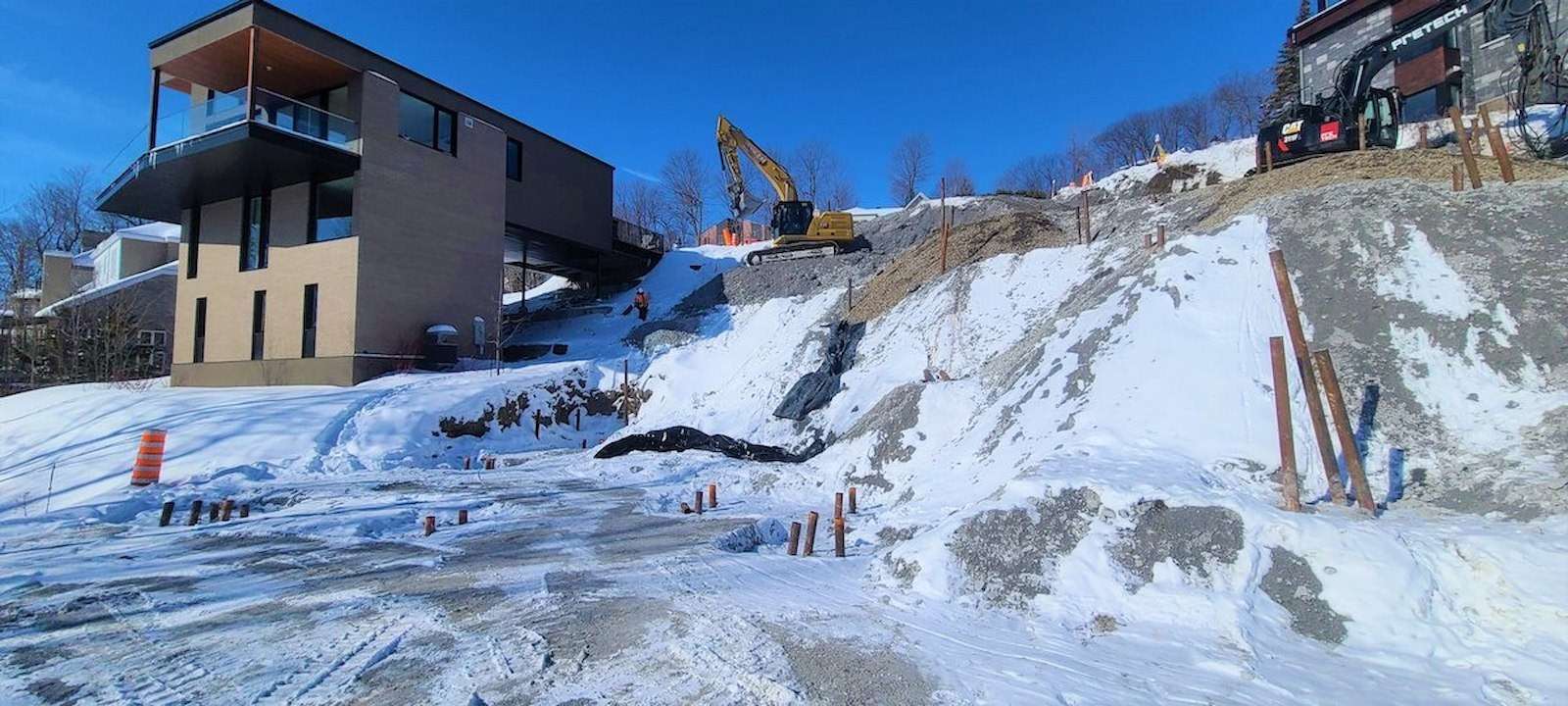
Pile foundations for home construction projects offer many advantages, and it’s important to consult an expert to properly assess your needs. Understanding the cost associated with this type of foundation is essential. At first, it can seem like an extra price to pay for an already expensive project. However, pile foundations are more of an investment for a trouble-free future. Here are a few key points to consider regarding foundation piling costs.
How Much Does a Pile Foundation Cost?
The pile foundation cost depends on many factors: the type of soil, the depth to which piles need to be driven, the type of piles that will be used, the size and weight of the building, etc. It’s impossible to give a general estimate, as even two very similar houses could have different prices for the pile foundation.
One thing is sure; it's always cheaper to build a house on piles than to have to repair or even replace the foundation later if the house starts to sink or settle. Remember that, in extreme cases, a foundation isn’t repairable, and the house must be completely rebuilt.
Are Pile Foundations More Expensive Than Other Techniques?
As all projects are unique and respond to their own set of criteria, it’s difficult to compare prices. However, adding pile foundations will indeed be more expensive than not doing it.
In terms of foundations, there are different types, some being more popular than others. Concrete slabs are a cheaper option than a basement or a crawl space. In Quebec, they can be problematic because of the cold climate. In comparing pile foundations vs. concrete slabs, pile foundations would then be more expensive.
Crawl spaces are common, as they allow for airflow that prevents moisture buildup. This type of foundation means that there’s a three to four-foot-deep space under the floor surrounded by concrete walls, which is unheated but vented. The space can be used for some storage and can sometimes hold a furnace or a water heater.
Basement foundations are very popular, as they are solid and provide extra space. Of course, a basement is more expensive in terms of construction, considering the cost of digging and adding an underground structure. A finished basement is also more expensive because of the time and material required.
Some alternative foundations, such as wood and stones, are not common, especially on new buildings.
In any case, all these types of foundations can be piled to a certain degree. To know if piling is necessary, make sure to consult a foundation specialist.
How Long Do Piles Last?
How long piles last depends on the weight they support and the degree of corrosion. Basically, a pile supporting a lower weight in a non-corrosive environment will last much longer than a pile supporting a higher weight in a highly corrosive environment.
It’s important to understand that air itself is corrosive and often means a shorter life span than a structure underground. In terms of range, underground piles can last up to 80 years, while the same pile under the same pressure will last up to 40 years above ground. However, with less weight it could last up to 75 years.
The material of the pile also has a significant impact. Generally, concrete lasts longer than steel, especially in wet environments. The calculation isn’t simple, so make sure to trust experts when it comes to choosing the right piles for your projects.
Which Type of Pile is More Economical?
Foundation pilling costs vary immensely and, if price is important, durability also has to be considered. Some piles are cheaper, but they could be less solid or last less time. Remember that repairing or changing foundations after construction is more expensive than doing it right the first time.
Labour impacts the cost as well. If certain piles are cheaper, they can require more labour to install and end up being more expensive.
For the cost of screw piles vs. concrete, screw piles, also called helical, are more expensive in terms of material, but are less labour-intensive. The helical piles cost in Canada varies greatly, as different manufacturers offer different qualities and sizes. Screw piling cost as a technique is among the cheaper, as fewer people are needed to carry out the work. However, helical piles are generally not strong enough to support a house and should be used for lighter projects.
As for driven piles, these are often recognized as the best thanks to their stability and strength. The pile-driving cost estimate can vary according to the technique, as different machinery can be used to drive the piles.
In the end, if the cost of projects is never to be ignored, one should never aim solely at keeping the budget as low as possible. After all, when it comes to foundations, security and longevity are fundamental. As foundation problems, such as water infiltration or sinking, can render a house uninhabitable, finding the best solution should always be a priority.

Passionate and innovative at heart


