
Sheet Piles Explained: When You Need Them for Stability and Protection
Sheet piles are a specific type of pile with many potential uses, especially for marine projects and erosion control. Learn more about what they are.
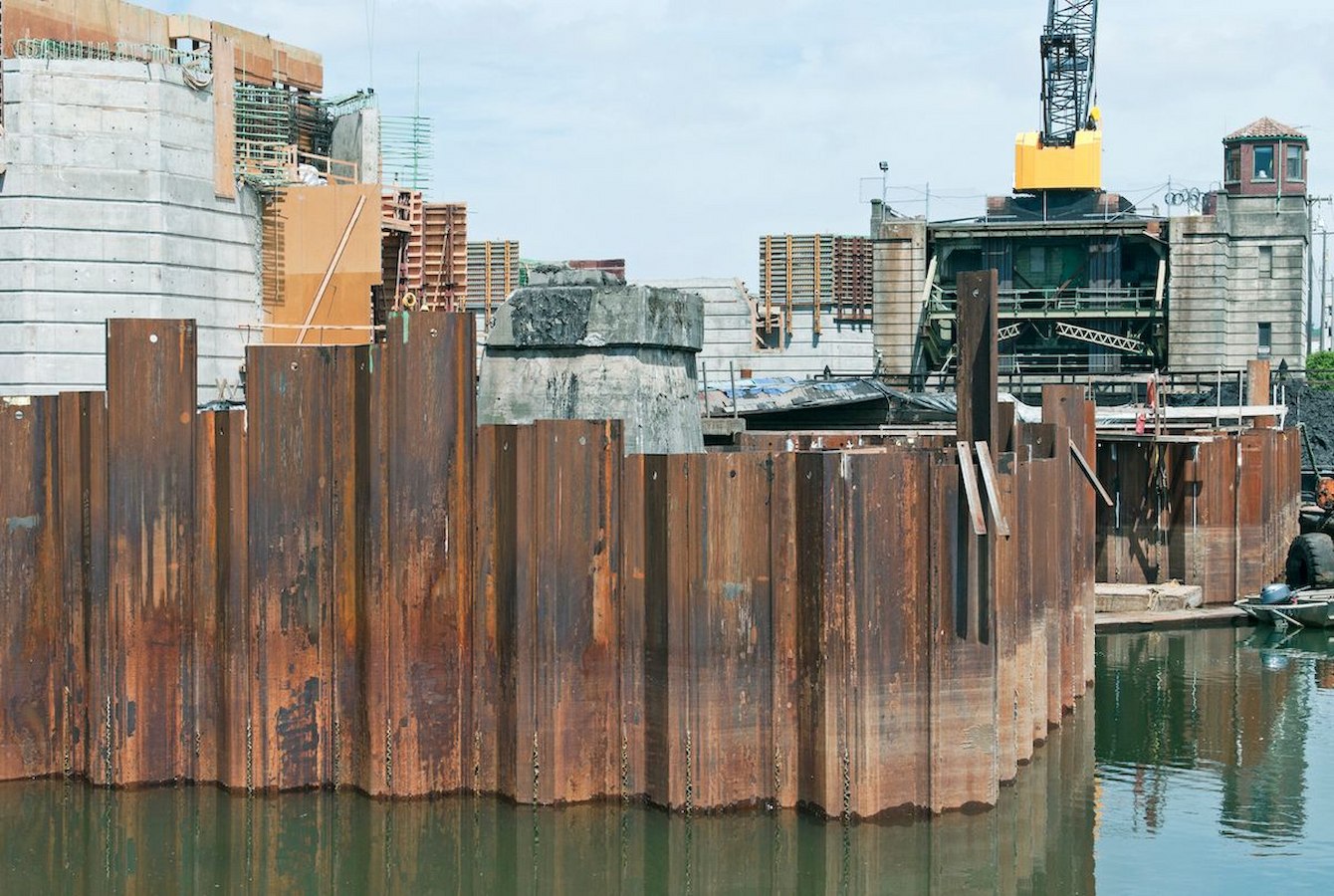
There are many types of piles on the market, and to choose the right one, you need to understand their respective advantages and uses. Sheet piling is a versatile method, often used for excavation work or other temporary projects, as well as for marine projects. In some cases, sheet piles can act as a foundation, at least partially. Here’s everything you need to know about this technique.
What Is Sheet Piling?
Sheet piles are piles made of steel sheets, usually with a Z or a U profile. They have interlocking clutches that allow the sheets to tightly connect. In many cases, they can be watertight, so they are used in many different contexts, such as retaining walls, riverbank protection, seawalls, land reclamation, underground structures and more.
Sheet piles are generally made of steel since this material is incredibly strong and durable. It’s also very resistant to stress and is lightweight. They can be reused from one project to another and can be easily adapted by bolting or welding them. In certain cases, you’ll see sheet piles made from timber or reinforced, but these are less common.
Sheet piling costs depend on the number and size of piles and the application. For example, piles used for water need to have extra protection, like being made of galvanized steel or corrosion-resistant steel. Such piles are more expensive than those made with carbon steel.
The method of installation can vary from one sheet piling contractor to another. Four methods are quite common: hydraulic installation, jetting, impact driving, or a vibrating hammer. The specific type of pile and the soil conditions will determine the right technique.
When Would You Use Sheet Piling?
Sheet piles can be used for both permanent and temporary projects. For the latter, piles can often be reused from one project to another. Thanks to their watertight property, many companies use sheet piles for erosion control in projects such as seawalls and bulkheads. They also have many marine applications, like harbour wall strengthening, canal retaining walls, or bridge building and repair. They can also be used to build cofferdams, allowing construction work in bodies of water. Sheet piles are also effective for groundwater control and to prevent flooding.
Outside of water, they are often used as retaining walls, both temporarily for construction work and for permanent structures to retain soil. They’re commonly used during the construction of basements, parking garages, foundations and tunnels.
Sheet pile foundations are sometimes used for projects like underground car parking or basements. However, they are mostly used for retaining soil or water rather than as foundations.
What Are the Pros and Cons of Sheet Piling?
Sheet piling is a popular method due to its versatility and cost effectiveness. As sheet piles can come in a wide range of sizes, lengths and steel types, it’s easy to find the perfect material for a specific project. One significant advantage is that it can be reused from one temporary project to another, which can help reduce operation costs.
Installation is also quite quick, and some sheet piling methods don’t create much vibration or noise.
With the right type of steel, sheet piles have a long life span, even below water, which makes them perfect for coastal or marine projects. As they can be watertight, they’re often the best choice for water-related projects, whether it’s to retain or deviate water, or to control erosion.
However, sheet piles can be difficult to install in soil with stones or boulders, and the walls may not be able to reach the required depth for the project. Depending on the driving method, sheet piles can cause significant disturbance and even cause settlement in adjacent buildings. In urban areas, limited space can make sheet piling impractical. There are also limits to the designs since sheet piles are prefabricated
Costs are also an important factor to consider. The material itself isn’t cheap, and sheet piling requires specialized personnel and equipment. Also, for temporary structures, the cost of removing piles must be considered. For marine projects, even galvanized steel will eventually corrode, and replacement or repairs can be costly.
How Are Sheet Piles Installed?
Installation methods may vary from one sheet pile contractor to another. Four methods are fairly common: hydraulic installation, jetting, impact driving, and the use of a vibratory hammer. The specific type of sheet pile and soil conditions will determine the appropriate technique.
The steps can change slightly, but generally, the installation process will go as follows:
- Piles are laid out in a sequence to ensure they will interlock correctly.
- The first pile is driven into the soil.
- The second pile is driven in a way that interlocks with the first one.
- The two previous steps are repeated until the structure is completed.
- Sometimes, extra connectors can be used.
In the case of cofferdams and similar structures, the water will then be pumped out of the area.
Sheet piling is a versatile and effective technique for many situations, particularly for marine and coastal projects. Its strength, durability, and watertight properties make it ideal for retaining walls, erosion control, and underwater construction. While sheet piles are a valuable option for excavation, other methods may be more cost-effective depending on the soil conditions and project requirements. To help determine the best approach for your project and ensure long-term stability and performance, consult with contractors who specialize in foundations.

Passionate and innovative at heart


