
Foundation Stabilization: Restore Your Home's Strength and Stability
What foundation stabilization entails, the methods used, and the signs that your home needs it to prevent long-term damage.
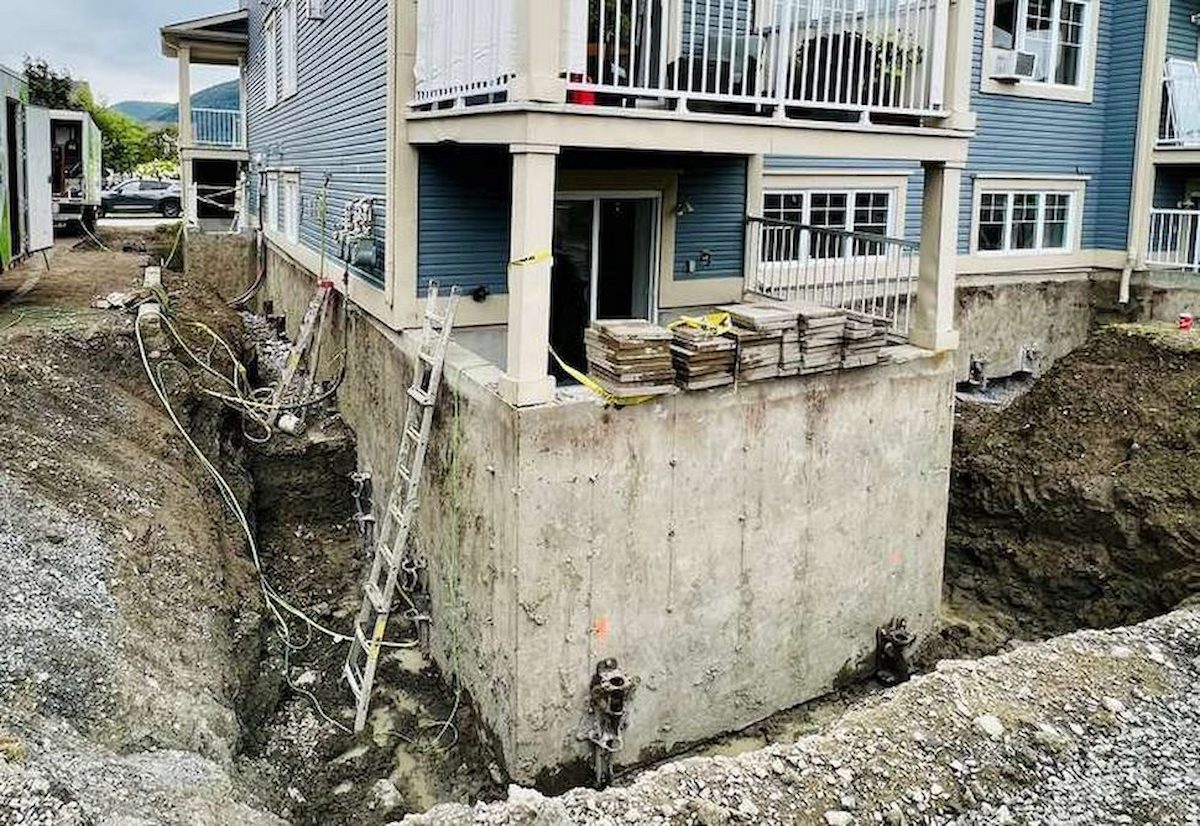
Your home’s foundation is the base on which everything rests. It is responsible for supporting the weight of your home, maintaining its structural integrity, and ensuring safety for you and your family. However, over time, various factors such as ground movement, water damage, and wear and tear can cause the foundation to become unstable. This can lead to serious structural problems with your home and costly foundation repairs.
Fortunately, it is possible to restore your home’s strength and stability through a foundation stabilization process. In this article, we’ll explore what foundation stabilization is, why it’s important, and how you can address potential foundation issues in your home.
What is foundation stabilization?
Foundation stabilization refers to the process of reinforcing and consolidating a home’s foundation to prevent further damage and restore its original structural integrity. It involves a combination of repair methods designed to address foundation problems such as settlement, cracks, or shifting.
Are foundation stabilization and leveling a house the same thing?
No, they are two different things, although they are related. Leveling involves correcting the tilt of the entire structure by adjusting the foundation to bring it back to level. Repairing an uneven foundation, on the other hand, aims to stabilize the foundation itself to prevent shifting or cracking. Sometimes, both processes are necessary to resolve foundation problems.
How do you repair an unstable foundation?
One of the most common methods for stabilizing a foundation is the injection of resin or cement, a technique known as pressure grouting. This method involves injecting materials into the soil beneath the foundation to fill voids and stabilize the ground. This helps restore the structure’s balance and original position.
In some more serious cases, piles or support beams are used. Piles are driven into the ground to reach more solid layers and provide additional support to the foundation. This method is ideal for buildings with foundation problems caused by unstable soil. Shoring beams, on the other hand, are used to temporarily hold walls or foundations in place while permanent repairs are being made.
Another common method is to use carbon fiber or metal to reinforce damaged foundation walls. These materials, often in the form of strips or mesh, are attached to the walls to support them and prevent further cracking. In addition, if moisture is a contributing factor to the deterioration of the foundation, it is important to install a drainage or waterproofing system.
What are the signs that your home needs stabilization?
Here are a few issues that might indicate your foundation needs to be stabilized:
- Cracks in the walls or foundation: Small, superficial cracks may be normal, but large cracks or those that are getting bigger—especially those that appear in corners or around windows and doors—may indicate a problem with the foundation.
- Uneven or Sloping Floors: If you notice that some parts of your floorboards are higher or lower than others, it’s likely that your foundation has shifted or settled unevenly.
- Stuck doors or windows: If doors or windows become difficult to open or close, this may be a sign that the foundation is shifting or sinking.
- Gaps around exterior doors or windows: This can happen when the foundation shifts, creating a gap between the frame and the wall.
- Visible movement of the foundation: If you notice that the foundation itself is sinking, rising, or becoming uneven, it is important to take immediate action to prevent further structural damage.
Why is foundation stabilization important?
Stabilizing the foundation will prevent problems from getting worse and protect other parts of your home, such as the roof, plumbing, and electrical systems. A sinking foundation can pose serious safety risks. By addressing the problem early, you can avoid major repairs down the road. The longer you wait, the more expensive those repairs are likely to become.
How much does it cost to stabilize a foundation?
In Canada, the cost of stabilizing a foundation varies depending on the severity of the damage, the size of the property, and the method used. On average, partial foundation repairs can range from $2,000 to $7,000, while more extensive repairs can cost between $10,000 and $30,000 or more. Different methods all have different prices, and excavation as well as other additional services can increase costs.
When should you call a professional?
If you notice signs of damage, it's important to act quickly; the sooner you take steps to stabilize your foundation, the less likely you are to experience significant damage, and the more affordable the repairs will be.
You should never attempt to stabilize your foundation as a do-it-yourself project. It is essential to call a contractor who specializes in foundation repair; they will be able to recommend the best solution. With the necessary tools, experience, and expertise, they can address even the most serious foundation problems and effectively restore your foundation’s stability.

Passionate and innovative at heart


